River Bend Nature Center encourages community and conservation
Supporting the environment is an accessible stance for anyone. Of the actions people can take to better the environment, the most vital is being informed. River Bend Nature Center in Wichita Falls is a prime example of providing accessible education about conservation to the community.

Whether in a small rural town or a booming urban city, supporting the environment is an accessible stance for anyone. There are many well-known actions people can take to better the health of the environment, but one of the most vital is being informed.
In the State of Texas in particular, keeping up with environmental laws and government actions that directly impact the environment is hugely significant in knowing how to address these issues. Being informed on these issues not only helps people be aware of how to preserve the environment for future generations, but it also allows a person to be aware of how their health is impacted by the environment they live in. On a more local level, educating the community on the importance of protecting the environment they live among is the first step. Not all communities have organizations dedicated to this, but those that do see the benefits.
River Bend Nature Center (RBNC) in Wichita Falls is a prime example of providing accessible education about conservation to the community. The facility opened in 1995, through a partnership with the city and spans 20 acres. The facility was established “to connect people to the natural environment of Texas.”
Jennica Lambert, the Executive Director of RBNC, said she believes educating people about the importance of the local environment makes them aware of its importance, and as a result, encourages them to be more conscious in the role they play in conservation efforts in their area. She believes these efforts and pride in the place one calls home go hand in hand.
“A community that understands and appreciates the natural environment is healthier, more resilient, and more connected,” Lambert shared.
Texas is among the 10 states with the highest rates of pollution contribution. At the same time, Texas is the leading contributor of renewable energy. The duality of Texas’ influence on the environment draws attention to the impact the state could make on the greater environmental health of the nation by maintaining conscious practices to prioritize the health of the land and the people that call it home.
The Texas Commission on Environmental Quality (TCEQ) recently released the “Comprehensive Roadmap to Reduce Emissions” in 2025. The plan pinpoints the primary sources of emissions in the state as transportation, electric power, and industry. The TCEQ also recently began addressing plastic pollution in water (nurdle) by increasing pressure on companies to utilize prevention methods. Addressing oil and gas wastewater is also part of the conversation, as a concern that’s been brushed over in Oklahoma and Texas for years, though no plans have been established to fix the issue yet.
In addition to turning attention to the role pollution plays in the land’s health, the state has focused on how to directly protect land and wildlife. Texas Parks and Wildlife has pushed for more pollinator conservation efforts and education, mostly through educating local communities on how they can address the issue. In 2023, Texas voters approved the Centennial Parks Conservation Fund, which is aimed at developing new parks across the state. According to TPW, through this funding, several parks reached the first phase of being created. The only way initiatives like this come about is educating the whole public on why conservation matters for today’s society and those to come.
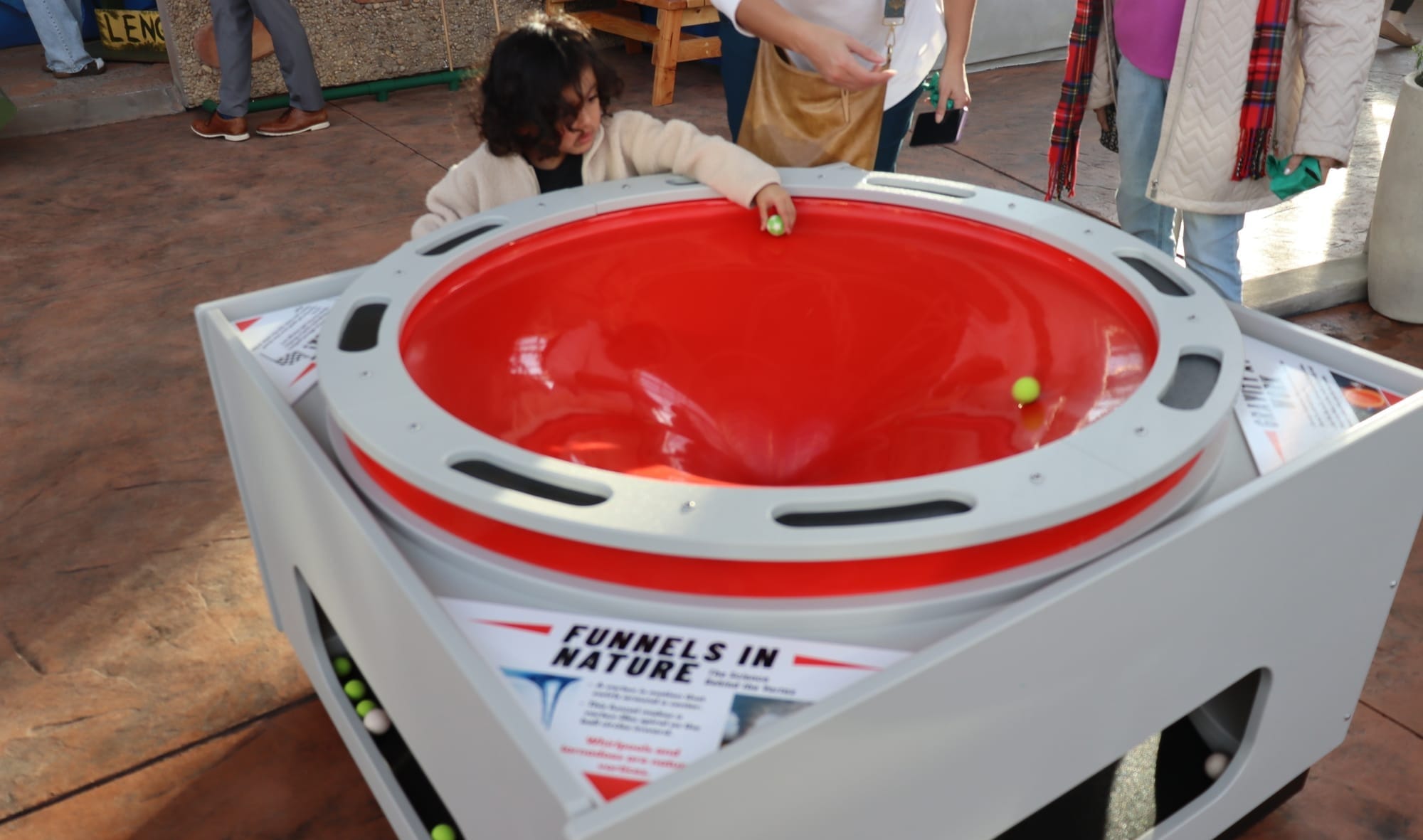
Lambert said that what makes RBNC unique is how it blends natural observations with immersive, hands-on learning experiences to encourage learning. She expanded on the various resources River Bend uses to achieve this, listing one-on-one interactions with education and visitor guides, interactive exhibits, live animal observations, and exhibits that appeal to children and adults alike.
She shared that the self-paced environment and information that caters to all ages makes RiverBend’s information on the local environment accessible to all learners. Lambert also mentioned the animal ambassadors on site that help visitors understand their wild neighbors, build empathy, and contribute to people’s concern for conservation in their community.
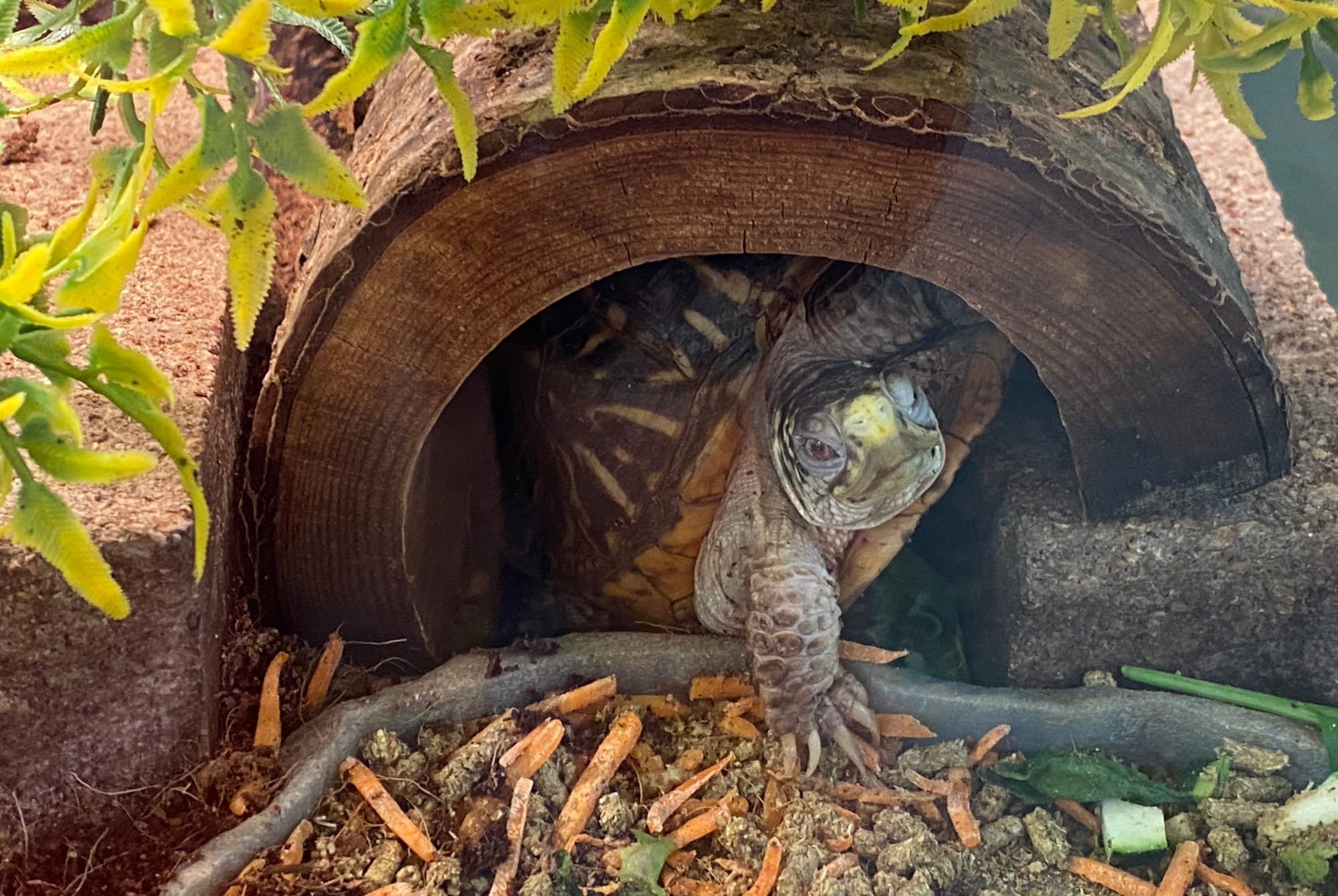
“Visitors can learn through hands-on exploration, guided experiences, and self-paced discovery both indoors and outdoors,” Lambert said. “Our indoor and outdoor learning options, clear interpretation, and welcoming approach help ensure visitors can engage in ways that fit their needs and learning styles.”
While Texas has made some efforts in the last few years to address environmental problems, there’s a long way to go to see the impacts of these changes — if they last. Additionally, rollback on conservation efforts from a federal level have lessened the pressure to enforce environmentally considerate practices.
The relieved pressure on states from a federal level to enforce efforts to conserve the land and wildlife has resulted in an even greater need for more local involvement in the matter. Aside from individual people trying to create safe spaces for pollinators and other local wildlife on their property, and urging government officials to be more active on the topic, the most important thing local areas can do to support conservation efforts is inform the whole community through accessible information.
RBNC extends accessibility through affordable admission, at only $8 a person. They also offer field trips, volunteer opportunities, and partnerships to contribute to community connection. Because of the indoor and outdoor setup, River Bend is able to stay open year round, with various events throughout the year to offer new and unique experiences to members of the community who have been visiting for years. Lambert listed Thursday Nature Programs, Science Saturday, Nature Tots, Nature Preschool, after-school Adventure Club as a few examples.
“We help inspire curiosity while supporting the quality of life that makes our community strong,” Lambert stated.
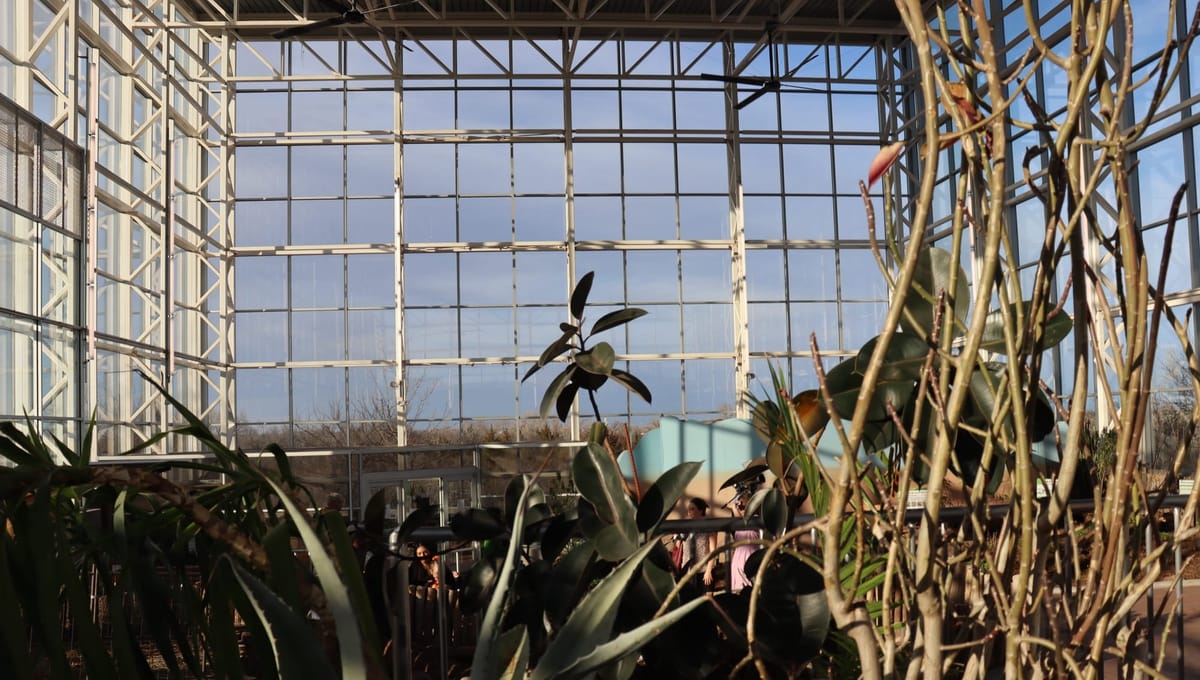
River Bend held a ribbon cutting in early February for the updates made to their conservatory after it not being open for some time. She believes these updates will contribute greatly to the educational experience of visitors, new and old. These updates include repairs to the building to make it more durable for all seasons and several new interactive exhibits. Lambert shared that these upgrades were funded through donations, fundraising efforts, and grants from the community.
“These improvements were possible because people believed in River Bend’s long-term impact and chose to help sustain it,” Lambert said. “With the new upgrades, we hope to serve more visitors with a safer, more engaging, and more inspiring experience. Our goal is to strengthen River Bend as a trusted community resource where hands-on learning, conservation, and connection to nature continue to grow for years to come.”
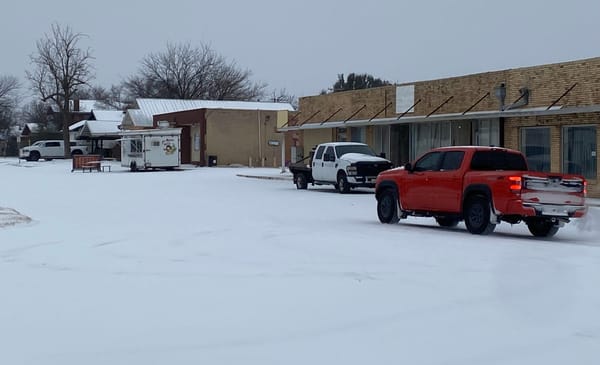
RBNC is a nonprofit organization, meaning the support of the community is a pivotal part of its success. Especially after being closed during the freezing weather, River Bend Nature center, like several other local companies, is trying to catch up.
Those who are interested in supporting River Bend’s mission to inform, connect, and help conserve the community and its relationship with the environment can contribute in various ways. The easiest way is to simply visit and spread the word about all River Bend does. In addition, becoming a member, volunteering, donating, and sponsoring River Bend are great ways to give back to the center as much as it gives to the community.
To learn more about River Bend Nature Center and how you can help, visit their website.