Stephens County Humane Society obtains Mighty Cat Partner status to help address stray kitten crisis
The stray crisis is an immediate concern for the large number of orphaned neonatal kittens, as many shelters and rescues don't have the resources to help them. However, Stephens County Humane Society is taking action to find ways to do more to approach this issue.

Among the trials across the nation such as food insecurity and economic hardship, the animals are also being affected. One way that this is evident is through the number of stray dogs and cats that are present in many cities. This issue arises for various reasons, such as dumping, a lack of intake resources, and a lack of veterinary resources. This issue is prevalent in both rural and urban areas across Texoma.
According to Spay Oklahoma, in the U.S. at least 70,000 puppies and kittens are born each day. That’s compared to only 10,000 humans being born each day. This issue is mostly tied to people not getting their pets fixed.
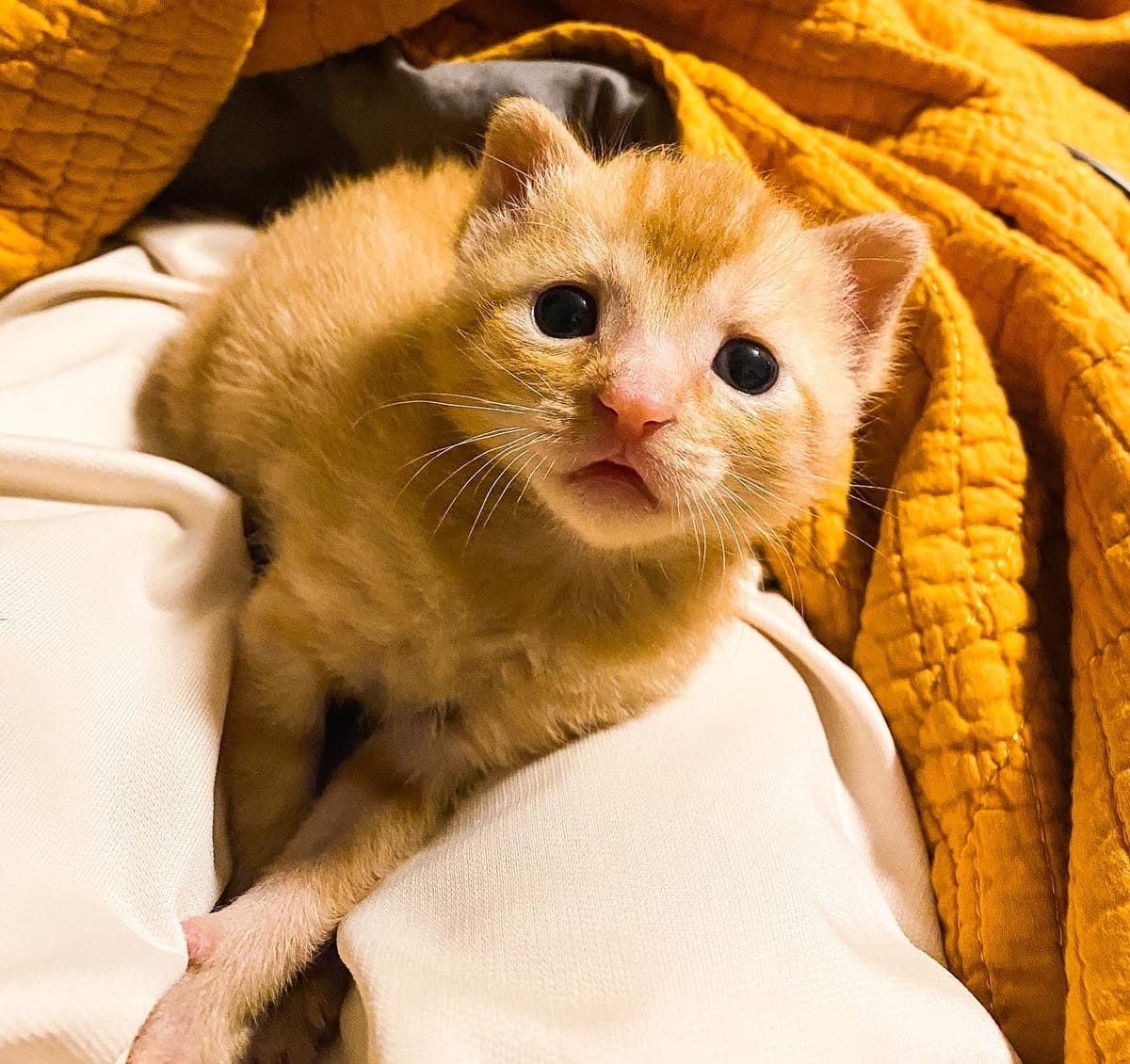
Unfortunately, this high rate of kittens and puppies being born into the stray lifestyle or homes that lack the resources to care for them, many end up orphaned. Because cats can produce more offspring in a year than dogs, orphaned kittens more commonly arise. Many of these babies are found at the vulnerable stage of life in which they are still dependent on their mother for survival, making keeping them alive a difficult and tedious task. The young kittens often require being bottle fed every two to four hours, being regularly wiped clean, and being stimulated to urinate and defecate. These very young kittens, between the ages of zero and eight weeks, are referred to as neonatal kittens.
The Stephens County Humane Society (SCHS) is taking action to address the orphaned kitten issue as best they can. Kelly Nelson, the executive director of SCHS, said they currently have limited resources and are currently not able to take in more than 100 orphaned kittens a year. Because the need for kitten intakes has surpassed their resource capability, they sought out help to address the problem.
Nelson said they applied to be a Mighty Cat Partner through Orphan Kitten Club. The status is awarded to shelters that have the potential to expand their programs to increase intake abilities for neonatal kittens. After a period of waiting to hear back, SCHS was awarded the status.
“It was quite an extensive process,” Nelson said. “It took several months for us to be chosen.”
Nelson shared that only two other shelters in Oklahoma have been awarded the Mighty Cat Partner status, so Nelson views it as an honor and a beacon of hope for the kittens they’ll be able to help. While Nelson said they currently only have four foster families that are capable of taking in and caring for neonatal kittens, she hopes the status will increase that number.
The Mighty Cat Partner status is more than a title. It provides the shelter with access to grants, educational resources, and kitten supplies. Before when people came to the shelter for help with neonatal kittens, shelter staff often had to turn them away with a few supplies to help and minimal coaching. Now, with this status, they will be able to provide fosters with proper training and all the supplies they need to nurture and raise the kittens to a self-sustaining age.
“This opens access to their information and education to help prepare people,” Nelson said.
Nelson said that, overall, the best thing the community can do is spay and neuter their own pets. She added that kittens can usually be fixed once they weigh two and a half pounds. Additionally, fostering is a hugely impactful way to help address the stray crisis. Nelson said individuals interested in fostering can find their sign up sheet on the website.
Opportunities to donate and volunteer can also be found on the shelters website. Volunteers are always needed to help their processes move smoothly and donations significantly lighten the financial load of managing the shelter and ensuring the well-being of pets. Currently, Nelson said the shelter is in need of donations of classic rubber Kong chew toys – any size and any grade. She noted that supporting local shelters through fostering, volunteering, and donations is the only way to ensure they can continue helping stray pets in the community.
“Everybody has a local shelter in their area. Anything you can do for your local shelter will be helpful,” Nelson concluded.