Tribes encourage more communication with City of Lawton on decisions impacting land
Chairman Tahdooahnippah simply hopes to see more tribal acknowledgment and collaborative decision making between the tribes and city.

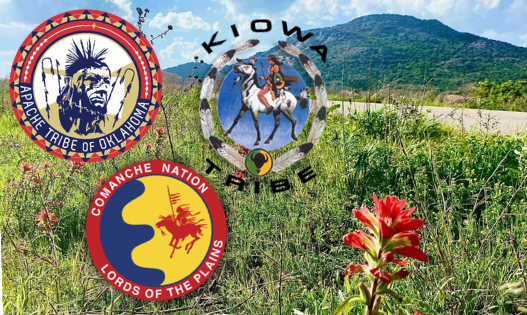
While the history of the tribes in Southwest Oklahoma plays a significant role in the area’s greater lore, many say modern descendants of these tribes aren’t given much opportunity to make their voices heard in what will be tomorrow’s history. Several tribal members living near the City of Lawton feel tribal perspective isn’t invited on matters that impact their lives but technically fall under the city’s jurisdiction.
Dark Roast Report reached out to Apache and Kiowa leaders for their input but did not receive a response. However, according to Comanche Chairman Forrest Tahdooahnippah, the tribes and city function under separate jurisdictions, but he feels that because the land touches, decisions that impact the land impact everyone living in the area.
Gen Hadley, who is also a member of the Comanche tribe and is the President Advisor of the State Chapter of Oklahoma - MMIP, as well as a member of the American Indian Movement, voiced similar concerns over city decisions impact on land. Hadley believes the tribes are seldom even notified of decisions pertaining to the land that could impact them, such as Westwin and the potential of a data center coming to the area. In response, for tribal members living outside city limits, the only way to be aware of such discussions is to monitor COL agendas. While some indigenous members of the community do so, others feel that’s a lot of work when the majority of those conversations don’t affect them. Specifically when it comes to choices affecting the land, most tribal members seem to prefer the city communicate with the tribes directly.
“The land the city exists on was part of the original reservation and the area still lays within those treaty boundaries, suggesting sovereignty, along with the Comanche tribe’s maintained jurisdiction. However, when City Council voted on issues that affect the area, especially the land, they don’t consult with tribal leaders,” Hadley said.
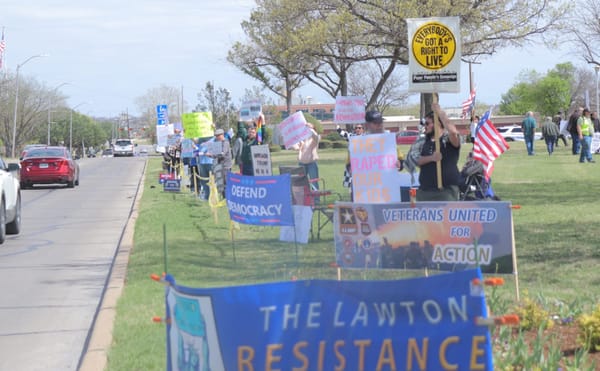
When word of the possibility of Westwin Elements bringing a cobalt refining factory to the City of Lawton first spread, many community members expressed their dissatisfaction with the city’s approval. Throughout the process of bringing the company to Lawton, upset citizens took every opportunity and platform they could to communicate their concerns, utilizing public commentary time in city council meetings, taking to social media, and protesting. However, one voice that was not given much of a platform to speak on the topic was tribal leadership.
Historically, they say the tribes haven’t been invited to share input on decisions that would impact the land of the area, Westwin was just the instance that greatly brought the issue to light. As a result, many tribal members utilized their personal platforms to speak on the concerns the tribe shared about how the decision would affect the land.
Daniel Jameson, who is of Kiowa descent, regularly attends City Council meetings with agenda items that affect the land to serve as a voice for indigenous people and other underserved groups of the community. He said he started attending the meetings in the Summer of 2024 when Westwin was part of the conversation.
In fact, Jameson, Tahdooahnippah, and Hadley all touched on how Westwin was handled to express their concerns around how the city manages communication on such matters. Several members of the community as a whole — indigenous or not — expressed concerns around Westwin and felt the city wasn’t being transparent in how they approached the partnership. Tahdooahnippah, Hadley, and Jameson mentioned that the previous Comanche Chairman, Mark Woomavovah, had expressed support for the city’s decision to bring Westwin in without consulting tribal members, which upset the members of his tribe and ultimately resulted in him being censured.
Tahdooahnippah explained that since the Westwin conversation came before his time as chairman, he wasn’t exactly sure how the communication between Woomavovah and COL transpired, but that he assumes the city wasn’t aware of how tribal government works when they publicized his support. Tahdooahnippah went on to explain that tribal leadership does not have a singular figurehead like a mayor. He went on to point out that decisions are made as a group, not through one person, which is why Woomavovah alone endorsing Westwin wasn’t an endorsement from the tribe. He noted that he thought the whole situation served as a precautionary tale.
As far as how much the city has communicated with him, Tahdooahnippah said the city hasn’t reached out to him once in the two years he’s been serving as Comanche Chairman. Tahdooahnippah also brought up that while the city seems to want to have a civil relationship with the tribes, they clearly view the tribes as separate entities.
Jameson expressed that he felt the city only cares for tribal input in instances when they feel they already have tribal support for a decision, such as the Westwin and Woomavovah situation.
“It’s an interesting relationship because we’re so close in proximity to each other but we have very little opportunity to really collaborate,” Tahdooahnippah said. “They try to maintain a dialogue — a friendly dialogue, a social-type dialogue — but they don’t ever really reach out regarding policy matters.”
Dark Roast Report requested an interview with Mayor Stan Booker multiple times, which was declined. Instead, Booker sent the following statement.
“The City of Lawton Fort Sill values its relationships with the tribal nations in our region. We maintain open and respectful communication with tribal leaders, just as we do with all community partners and stakeholders. Our doors are always open, and engagement through both formal and informal channels is always welcome. These are relationships built on mutual respect, and we're committed to continuing that approach,” Booker said in his statement.
Tahdooahnippah said that in most instances when his tribal members reach out to him in matters relating to COL, it’s to find out what can be done about it. Because the city appears to be content with keeping the relationship civil, rather than cooperative, several members of the tribes have begun searching for alternative routes to make their voices heard, like public comments and advocacy groups.
Both Jameson and Hadley participate in activism groups to create awareness around such matters. Most of the groups they’re active in either pertain to protecting the land or societal issues. Jameson expressed that he believes the only way to respond to indigenous voices being left out of the conversation is to “make an uproar” and organize groups and events with the goal of properly representing the people and Earth. Hadley shared that for indigenous cultures, the land and the people are one and decisions that hurt the land also hurt the people, which is why it’s so important that they speak up, suggesting there should always be a "Memorandum of Understanding" on such topics.
“We don’t like saying this is our land, but we are the tenders of this land,” Jameson said.
As talk about the city bringing in a data center moves forward, these groups are focusing on what it will mean for the land and how those concerns can be addressed. The impact of the data centers have the potential to affect not only the environmental resources in city limits, but also those on tribal land. Jameson added to this point by noting that all struggles in a community impact the whole community, whether directly or indirectly. Tahdooahnippah said he believes that collaborative efforts to address environmental concerns and societal concerns, such as homelessness and addiction, would prove to be more fruitful. He added that these needs for collaboration to address big concerns are needed across America.
“I don't know why we elect people that continue to devastate our homelands. Don't they know this affects their families as well? We should all be doing our part in keeping this country healthy, but as long as money and power is involved, I don't see this happening,” Hadley said.
Moving forward, Tahdooahnippah, Hadley, and Jameson all expressed hopes that tribal perspectives would be more involved in matters that impact the whole community. Hadley expressed hope that this would include “a seat at the table” or in other words, that tribal leaders should have a spot at city council meetings when there are agenda items that affect their land or people. While Tahdooahnippah did note that he had heard of the city having a tribal liaison before, he felt such a position served more as a middle man to manage communication between the city and tribes, rather than inviting them to be part of the conversation.
Jameson pointed out the relationships between COL, FISTA, and Fort Sill, through which they seem to promote each other. He stated that this shows the city’s ability to partner with external entities. He also made it clear that he believes a lot of the money going into these organizations could be spent on improving parts of the city that directly impact the whole community. In relation to Fort Sill, Jameson believes that in order for the city’s relationship with the tribes to improve moving forward, Fort Sill’s history in relation to the tribes must be acknowledged. Tahdooahnippah also feels that tribal history in the area should be acknowledged, not only as a means of moving forward, but because it’s part of what makes the area unique and could serve as a pull for tourism. Moving forward, Tahdooahnippah simply hopes to see more tribal acknowledgment and collaborative decision making between the tribes and city.
“I’m not demanding any kind of apology from the current city leadership — you know, they didn’t do these things — but I definitely think acknowledging the history is important, because to be honest in relationships you need to have respect. Respect and collaboration build trust,” Tahdooahnippah concluded.