East side floods “disproportionately affect black and brown communities” through impacts on residents, businesses, and history
The East side of Wichita Falls is nearly as old as the city itself and was once a flourishing area for black-owned businesses. For decades, the area has continued to face obstacles preventing it from revitalization, with the flooding issues being the most recent.

One of the things that makes Wichita Falls unique is the city’s devotion to historical preservation. A simple stroll downtown offers glimpses into the city’s past. However, while the downtown area has seen more restoration efforts, other parts of the city haven’t been so fortunate. Among these areas is one of the most historically rich areas of the Wichita Falls community, the East side.
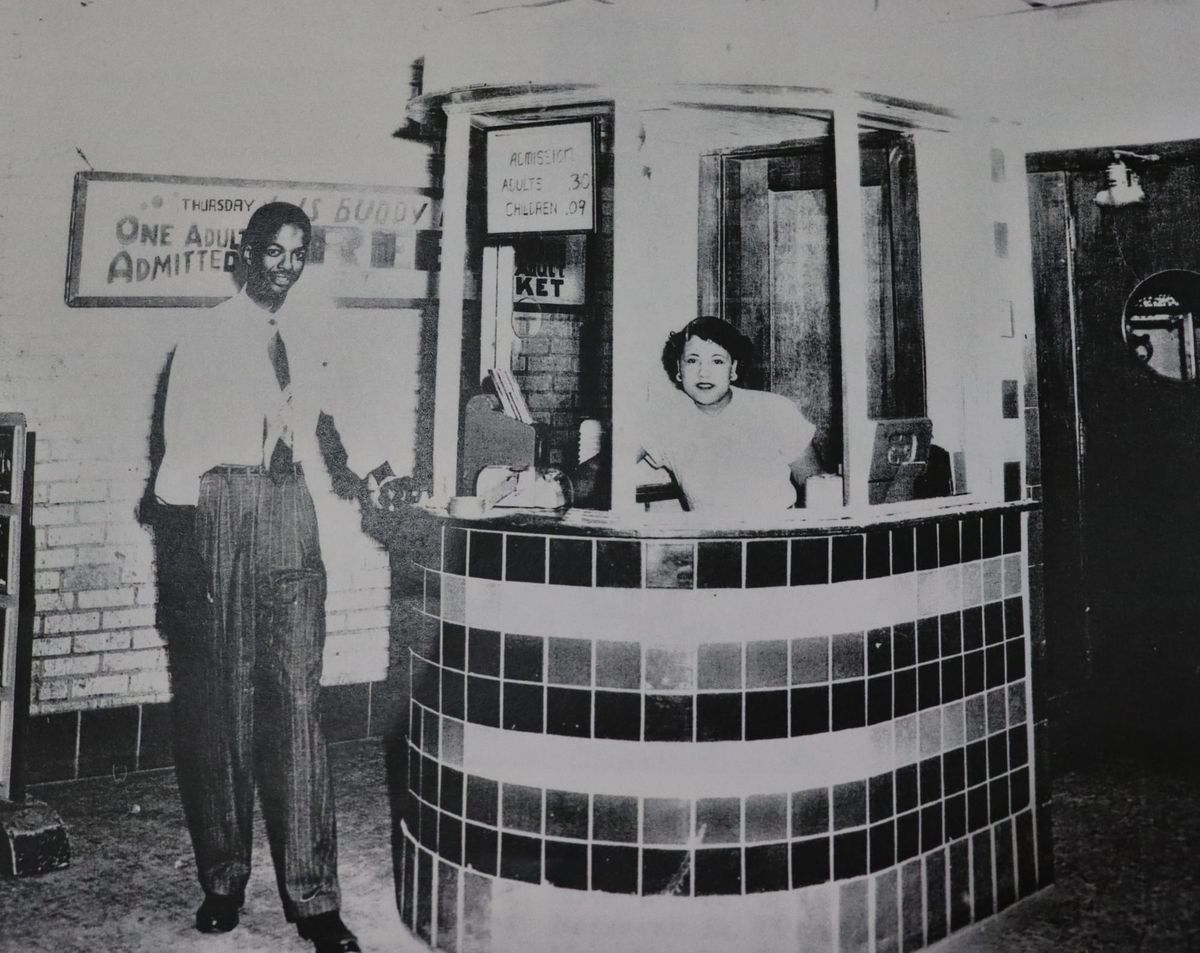
The East side of Wichita Falls is nearly as old as the city itself and was once a flourishing area for black-owned businesses. During segregation, Wichita Falls was considered as having two downtowns — the one everyone’s familiar with today and and the six-block stretch of Flood Street on the East side. Flood Street featured successful restaurants, retail stores, grocery stores, hair salons, and a movie theater up until racial integration. While integration was an essential step toward legal equality for black citizens in the United States, the newly found ability to shop at businesses on the other side of the railroad tracks enticed many residents from the East side. This led to a decline in customers for the once booming businesses of the East side. As a result, many of them closed and have even since been demolished and seemingly erased from the area’s history.
Unfortunately, the state of businesses on the East side hasn’t much improved since that time. However, now it’s due to the area’s continual issues with flooding and infrastructure. According to Crystal Washington, a resident of the East side and the Founder of Charm North Texas, the East side faces several issues that hold it back, such as old and problematic infrastructure, proximity to the train tracks, being a food desert, open waste water plants, and of course the flooding. Washington said that the flooding is commonly used as an excuse for nothing being done to improve or grow the East side, noting that even nonprofits and businesses in the area have different guidelines than others in the city due to the issue.
“All this disparity is affecting our kids, from the school system to the economic development and the infrastructure,” Washington said.
Like many residents of the East side, Washington views the rigorous efforts the city is making to fix up other parts of Wichita Falls as an insult. For example, the East side hosted their first Town Hall meeting at the beginning of June to discuss the flooding issue, which Washington said city officials responded to by suggesting there weren’t funds to fix the problem, only to post to their Facebook page days later about the idea of fixing up Indiana Avenue after a national study was released. Washington feels that if the East side could just receive the same level of support and effort, it could be a flourishing area again, that adds to the growth of the whole city.
Dark Roast attempted to contact Mayor Tim Short and other city officials about the matter multiple times, but received no response.
For business owners located on the East side, the lack of initiatives to better the area impact not only their living situations, but their livelihood as well. Sara Smith is the owner and operator of Minnie’s Pony Rides, located in the East side, near Booker T. Washington Elementary. Smith said her husband is from the East side originally and they now rent land there owned by his uncle. Smith herself used to live near the mall and had always been told not to go to the East side. However, upon moving to the East side with her husband, she said the stark difference in the sense of community between the two areas quickly stood out to her. She expanded on this, noting that when she lived near the mall, she didn’t even know her neighbors’ names, yet living on the East side, she feels surrounded by the support and kindness of her neighbors.
“It’s a very, very tight community, and it’s a great community. I think people need to experience that,” Smith said.
Smith explained that they opened their business in 2017 and currently function by bringing their animals to the locations where their services are needed, rather than having people come to them. While Smith and her husband hope to expand their business to the point that it can be open to the public in the East side, the flooding issues create obstacles for them obtaining that goal. Because of being in a flood zone, the guidelines are more difficult for establishing a business site on the East side. Additionally, when it does flood, it becomes too dangerous to transport their animals, which often results in them having to cancel bookings. She added that she’s seen the flooding create similar problems for other business owners in the area.
She admitted that if the flooding continues and gets bad enough, she and her husband always have the option of moving because her husband does contract work that allows them that liberty. That said, she recognized that many people running businesses in the East side don’t have that option.
“People are trying to grow stuff here, but there’s nothing really here at all, and we’re not even five minutes from downtown,” Smith said. “As a business owner, I just think it’s really sad that the ones who’ve been here longer than us are really hurting from it all, because they’re like us – they’re just trying to survive. We can travel and go do other stuff, but for them, that’s their soul.”
Smith expressed frustration around how little attention and effort the East side gets, aside from the one time a year that Hotter’N Hell goes through it. She said she believes having more events that are publicized in the area would benefit businesses there and help the area grow, but that likely won’t happen until the area can be beautified and cleaned up without the risk of floods ruining it all.
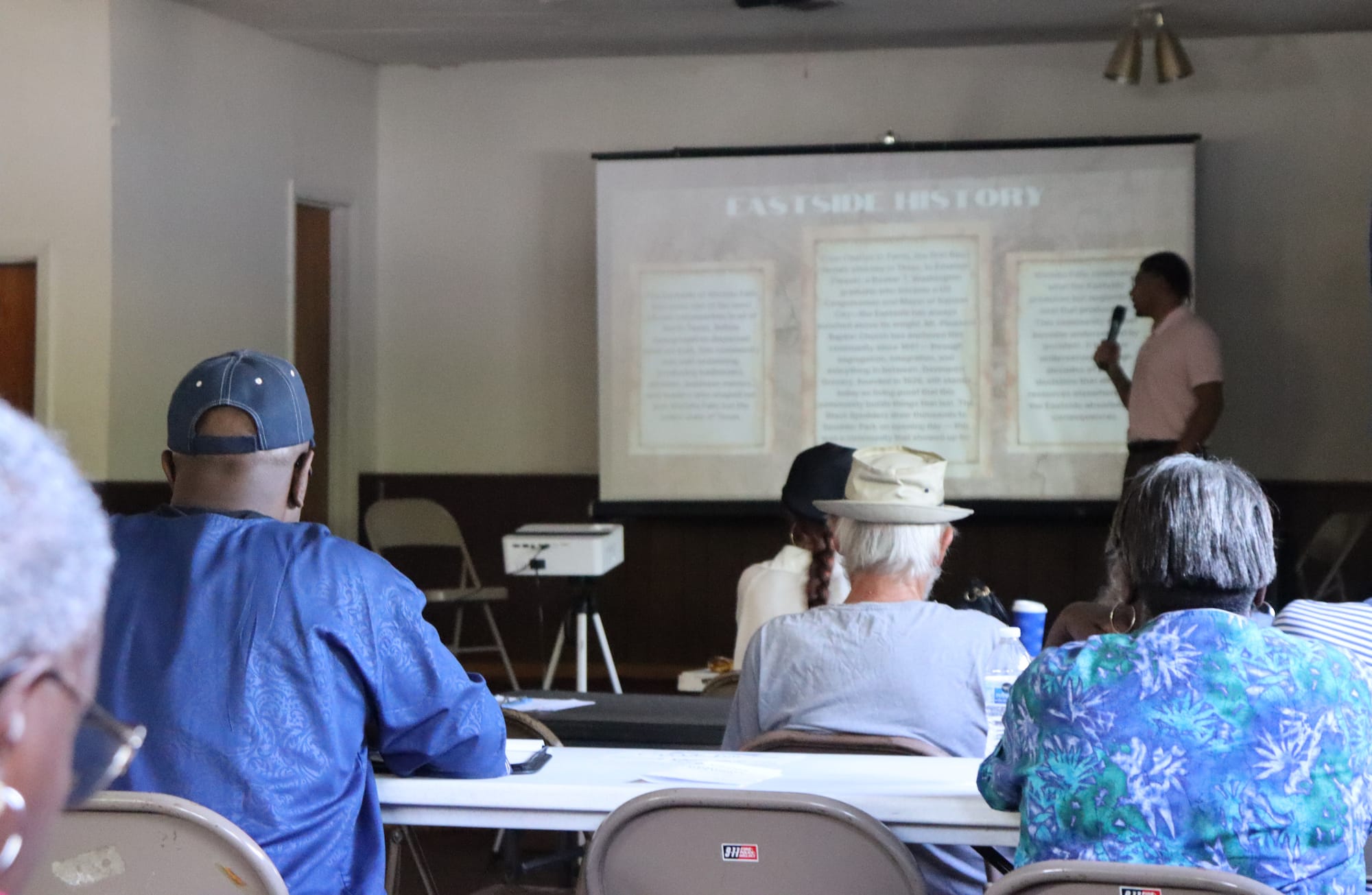
Last week, Charm North Texas hosted another Town Hall meeting for the East side. It featured an informative slide show, an open mic for residents to express concerns, and a former Game Warden with experience with the flood zone as a guest speaker. The slide show thoughtfully outlined notable figures that were raised on the East side of Wichita Falls, information on redlining, and a map of the flood zone that encapsulates the area. The presentation proposed the idea of an equity analysis to reflect where funds are allotted within the city. The Game Warden noted that the Wichita River channel, which contributes greatly to the flooding issues, hasn’t been changed in 100 years. He said a dam was built in the 20s to protect much of the city from flooding but the plans didn’t spare the East side. Further, the Warden noted that the water level is measured at Loop 11 bridge, which doesn’t account for the elevation change in the East side.
While it was also mentioned in the meeting that the city declined adding the East side as an agenda item for the June 16 City Council meeting that followed, they did add flooding as a talking point. In the City Council meeting, city officials discussed securing grants to begin work on East Plum Creek, one of the primary areas of focus in terms of the flooding. They added that they’ll also be addressing other parts of the Wichita River. The conversation will continue in a meeting this week to consider a study and grant amount of over $20 million to begin addressing the issue.
The city’s collection of floodplain maps were last updated in 2010, which reflects how long the issue on the East side has persisted without getting attention. A Quick Guide to floodplains in Texas illustrates the variations in areas more prone to flooding. It points out that not all floods are declared major disasters, since many are local and affect small areas. While the intensity of flooding on Eastside may not be enough for it to draw attention on a state level, residents of the area feel that its consequences appear frequently enough for it to to be a priority on a city level.
“Floods have been, and continue to be, the most destructive natural disaster in terms of economic loss to the citizens of Texas. More than 12% of the state’s land area is subject to flooding. Since 1978, Texas flood insurance policy holders have filed over 178,000 flood loss claims totaling $2.9 billion in claim payments. Even though that represents many insurance payments, most flood-prone Texans don’t have flood insurance,” The guidebook states.
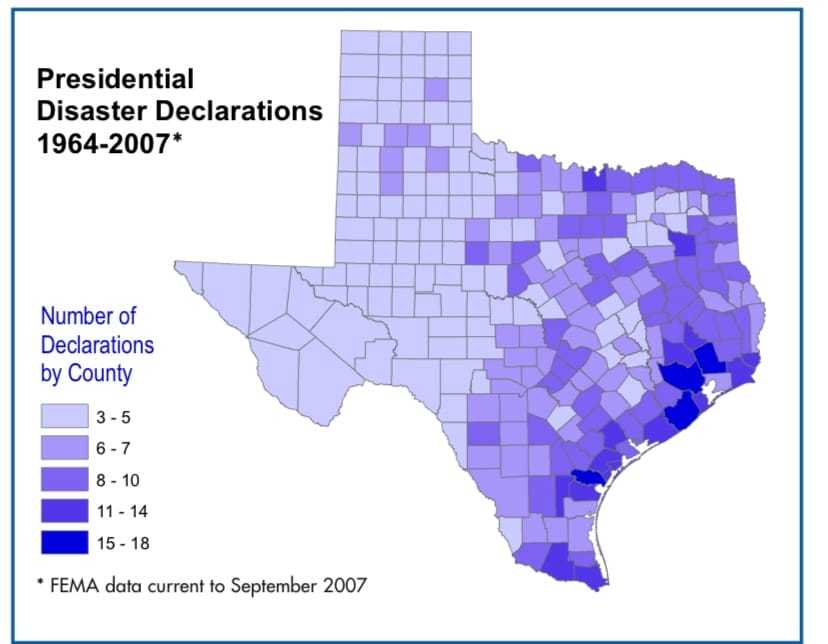
After dealing with the flooding for generations, many East side residents are frustrated it took the city so long to make a plan of action for the flooding on the East side. Many have expressed that they feel the process being dragged out was intentional. According to the guidebook, for an area to be removed from a flood zone, several steps must be followed and a permit must be obtained, adding additional layers to the process of beginning efforts to mitigate flooding.
Carlos Wilson, who’s a resident of the East side and a member of Charm North Texas said he’s lived in the area his whole life and is partial to the kind, neighborly, tight-knit community that makes up the East side. He also demonstrated a passion for the history of the area, which is clear through his research on the various notable figures that came from the East side, such as Charlye O. Farris, the first black female attorney in the state of Texas, and Emanuel Cleaver, who served as a U.S. Congressman.
“I’ve moved away before but this has always been home base because we’ve been here for generations – my family. We have land here and a few houses so it’s always been the place to come back to,” Wilson said. “There’s deep history here – rich history. To just write us off and leave us basically stranded just doesn’t seem right to me.”
In fact, Leanne Ray, who serves as the Curator for the Museum of North Texas history, said the East side has a plethora of notable Wichita Falls history. Further, she said the presence of barriers preventing it from being properly preserved is nearly as old as the area itself. Like Carlos, she lamented over the numerous historical figures and sites of the East side that are no longer around.
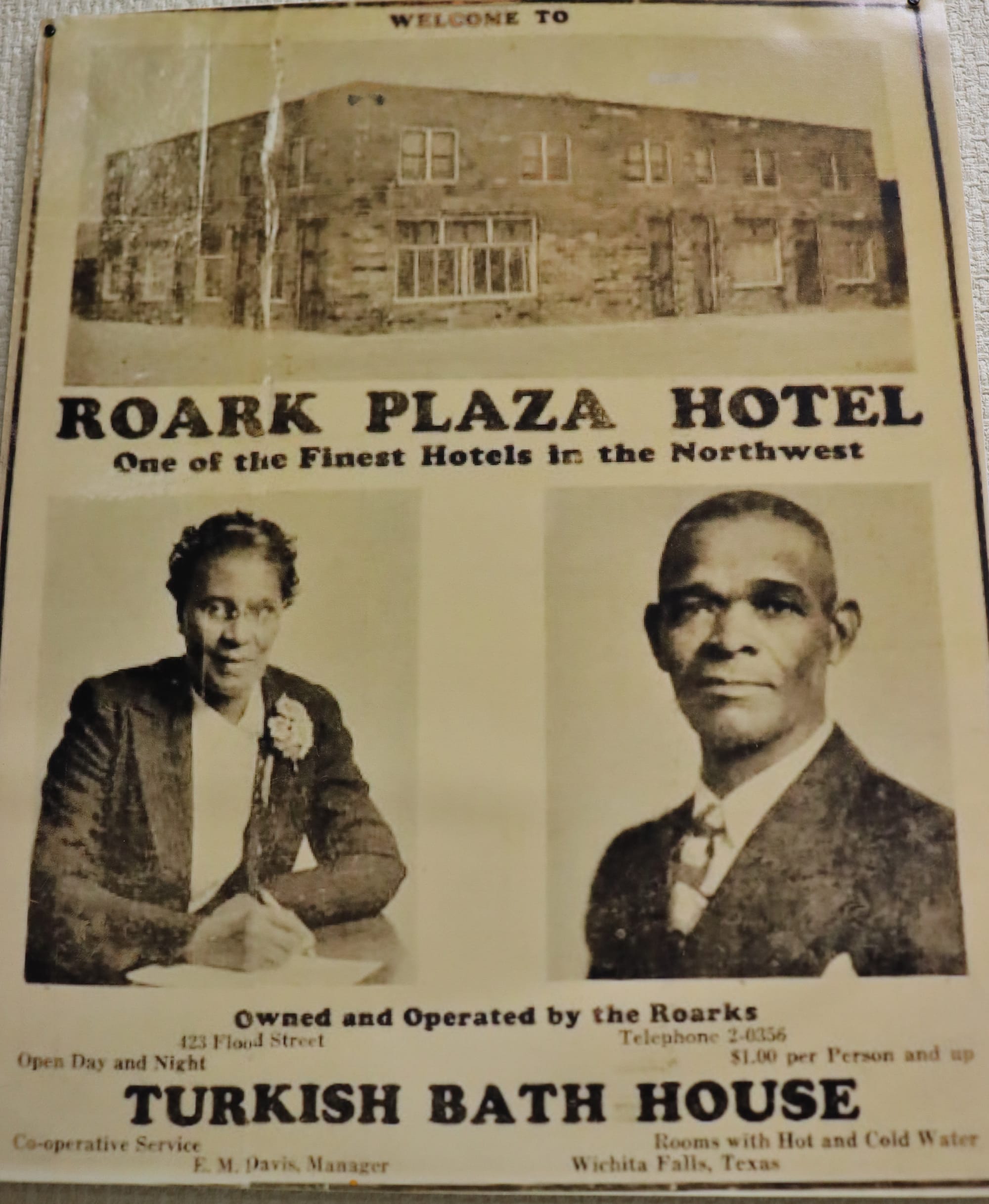
Ray brought up multiple instances where the city or media had the opportunity to highlight East side history and failed to do so. One example she noted involved a past Publisher of the Times Record News that published less-than-flattering stories about the East side community. In response, the students of Booker T. Washington started their own newspaper that covered not only school news, but the happenings of the whole East side community.
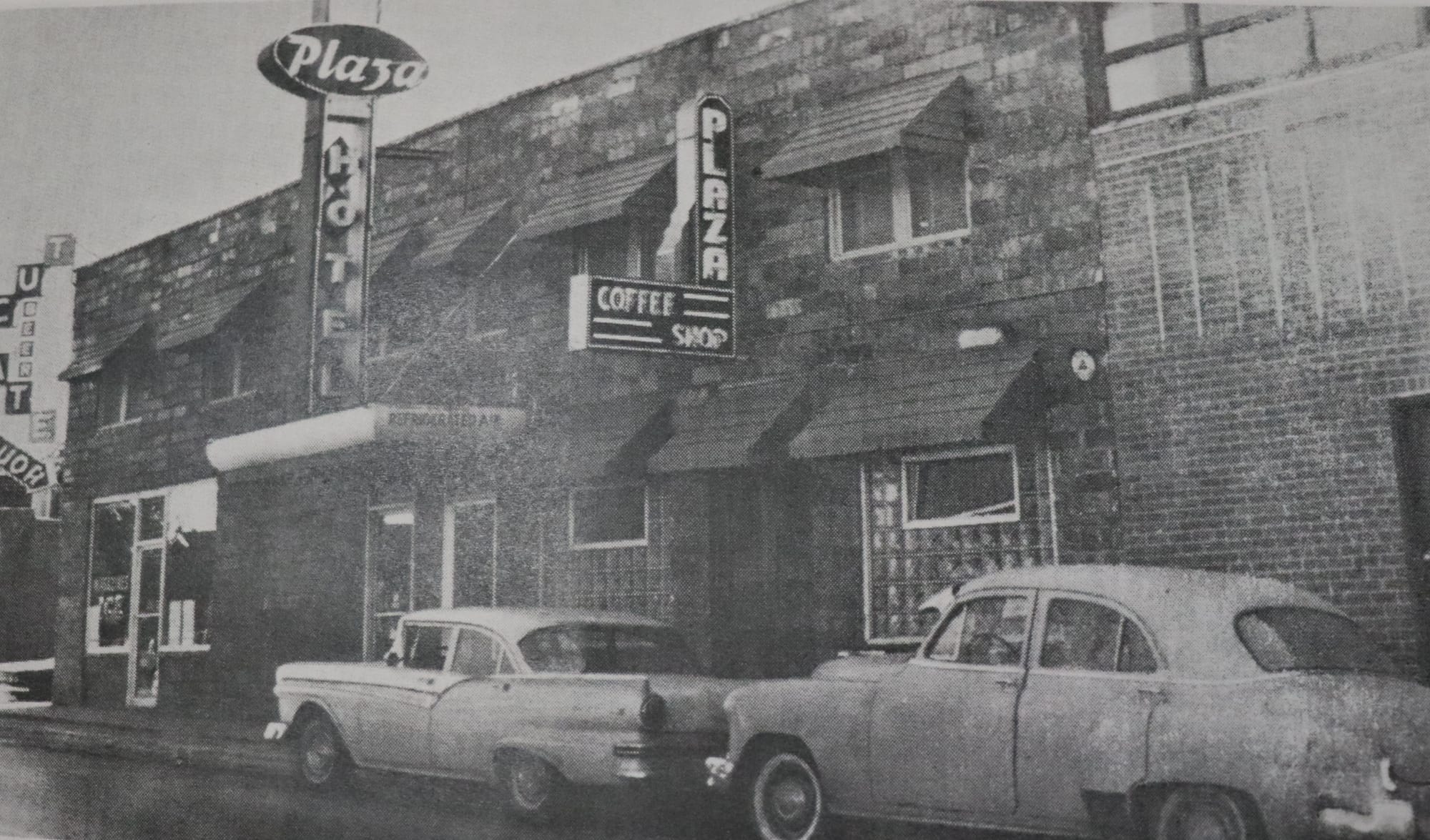
Ray mentioned some of the most popular historic structures in the East side that were torn down rather than restored. These included the Plaza Hotel and the Isis Theatre. The Isis Theatre was the site of several significant historical events. The period of time in which the theatre faced being demolished, Ray explained the Holt was also at risk. While the city extended the deadline for the Holt so that investors could obtain funding, the Isis Theatre was not granted the same extension, despite the efforts of Brenda Jarrett, and was torn down. *
Ray shared her frustration in the poor attempts of the past to capture East side history. She said she’s actively searching for relics that tell the story of East side’s past but the minimal preservation efforts have made it difficult. Ray admitted that most of the East side relics she’s obtained have come from the Dallas area or were purchased online. She did make sure to add that there wasn’t a complete lack of symbols of the East side’s history and pointed out that Davenport Grocery is still in business and there are a few historical markers around the city that nod to the East side’s contributions.
Wilson stated that what most concerns him about the lack of historical preservation and the issues the East side faces is how it impacts how the rest of the city views the area. For parts of the city outside of the East side, the area’s contributions to greater Wichita Falls history are often unknown. Wilson feels people seem to get a negative impression of the residents of the East side because the area is becoming rundown, is prone to flooding, and lacks resources. He explained that in addition to the flood zone, he feels this negative perspective contributes to the area’s inability to grow its economic opportunities.
Wilson said the impact of the flooding is more apparent in daily life. He went on to say that he spends a lot of time with his grandmother who worries for her safety when the flooding gets bad. He said he’s also seen how it impacts safety for kids in the neighborhood and how it imposes on the beauty of parks and the East side as a whole. While he feels that the community has remained resilient despite all they’ve faced, he doesn’t feel it’s fair that they must continue to face the same obstacles with no resources to overcome them.
“They try to frame it as it’s a flood zone – which it is, but environmental hazards disproportionately affect black and brown communities, which is a documented and well-researched topic,” Wilson said.
Wilson’s also done extensive research over how the city’s handling of the flooding issue on the East side seems to overstep federal guidelines. He expressed that the city’s clear efforts to prioritize restoring other parts of the city while East side’s been left to fend for itself “feels like a slap in the face” and an insult to the intelligence of residents. While he’s grateful that the city is finally making plans to address the sources of the flooding, he hopes their efforts to improve the East side don’t stop there. He mentioned that he believes the next step should be a map reassessment.
Wilson said he also hopes the City of Wichita Falls will implement a re-targeted investment program, such as the one utilized by Oklahoma City, to bring revenue back to the area. He additionally noted that he believes elected officials have a duty to care about the whole city, and that if one part of the community is suffering, the whole community sees the impact, whether they recognize it or not. Wilson pointed out that the recently announced plans to begin fixing the flooding issue likely only started because so many residents stood up and used their voices to bring light to the problem. He said he wants that momentum to continue through better communication with city officials and more people attending public meetings.
“At a human level, I believe I’m the type of person – and on East side, we’re the type of people – that we’re not gonna give to one person and not give to everybody else. If we eatin’, we all eatin’. If we’ve got some food, we’re gonna share it with everybody. That’s how we feel and that’s what we expect from our locally elected officials,” Wilson concluded.
*A previous draft of the story stated that the city obtained the funding to restore the Holt but for the sake of historical accuracy, was corrected to explain that the city granted an extension for the Holt that was not granted for the Isis Theatre.