The broader impact of the released body cam footage of Victoria Lang’s arrest
People want to know that they can trust those who are being paid by tax dollars to protect and serve. For many in Wichita Falls, after the arrest of MSU student Victoria Lang and the waiting game that took place after the fact, that level of trust took a plunge.


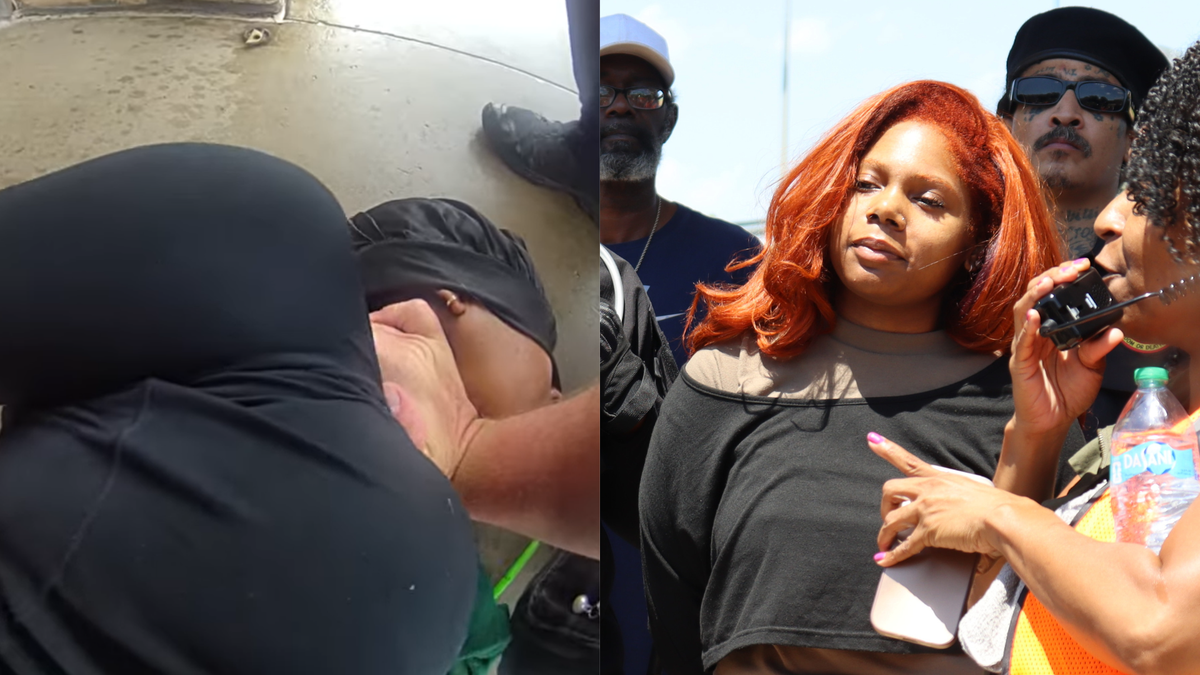
People want to know that they can trust those who are being paid by tax dollars to protect and serve. For many in Wichita Falls, after the arrest of MSU student Victoria Lang and the waiting game that took place after the fact, that level of trust took a plunge. Since then, Crystal Washington, the advocate chosen by the Lang family to represent them, has been calling for justice for Victoria, saying “Justice for Victoria is justice for all.”
For those who are unfamiliar with the Lang case you can click here for an in depth background story. You can also find links to the body camera footage at the bottom of this article.
On May 6, the City of Wichita Falls released the body camera footage associated with the arrest, around nine months after the arrest took place. Many people attribute the video’s release to the persistence of Washington and others. While the specifics of what happened to Lang were originally up to trust and word of mouth now were solidified in evidence.
“My family is hurting at this time, but we know we have people like you, this community, showing up and showing out for us and that means a whole lot to us,” Lang’s mother said. “Y’all speaking for us, y’all showing up, it means a lot because it shows that we’re not gonna sit down and just take this. We’re standing on business. Everything y’all [WFPD] do to us — y’all tried to suppress us for so long — it’s coming to a head now. It must stop. It ends with Victoria.”
In the footage, you can see the officers drag Lang outside of the bathroom, through the restaurant, and onto the wet concrete. While the body cam footage had some disturbing images, many people in the community said they weren’t surprised at what they saw. To them, this has been the culture of the Wichita Falls Police Department.
Lang’s case isn’t the first in Wichita Falls to draw attention to a lack of accountability among WFPD officers. Officer Shoffit’s arrest in January 2026 for assault and family violence suggests the same need for stronger standards to be upheld among officers. According to Police Scorecard, which rates police departments around the nation based on data, the WFPD received 43% when it came to police violence. While certainly not all officers with the WFPD possess such problematic behaviors, the lack of expedited discipline to address even a few instances around concerning behavior is more likely to create an environment that tolerates such behavior.
Since then, Washington has gathered many people in the community to hold protests. One of the main points her and many others make is to know your rights and to make sure your children know their rights.
“We have to teach our community. We’re going to have to be proactive and preventative, not reactive,” Washington stated. “This is not right.”
When former officer Wilson was indicted, city officials released multiple statements. This included one from Interim Police Chief Mitch Bates. In it, he stated, “The actions alleged in this case are not reflective of the values of the Wichita Falls Police Department or the men and women who serve this community every day.”
Over the nine month timeline since the arrest, many people have taken to city council meetings to voice their own experiences with the department, relating it to Lang’s situation. According to multiple people Dark Roast spoke with, this situation had given them the confidence in knowing they weren’t the only ones with bad experiences.
Failure to quickly and thoroughly address concerns around police behavior often results in a community’s lack of trust for their police department. More importantly, it often negatively impacts the mental health of some members of the community, most often people of color. The result is entire groups of a community living in a state of fear or anxiety, especially when it comes to interacting with representatives of the law.
A study done by the Journal of Social Issues reflects the many ways in which these interactions or news around such interactions impacts the mental health of marginalized groups. It’s important to note that there are varying levels of “police brutality,” with the most severe cases resulting in death. Police brutality, by definition, is an excessive and unlawful use of force against civilians that involves physical or psychological harm. It states:
“When communities witness or experience chronic police brutality, they may deal with a variety of challenges after these events, such as depression, anxiety, anger, fear, trust, and other psychosocial problems. Further, those who have been victimized by this type of crime are likely to develop PTSD.”
It then goes on to note that people who experience or witness this behavior in police “felt as though they were less free to move in their own neighborhoods due to fearing harassment and violence from police.”
Even beyond how victims or those members of the community who relate to victims are negatively impacted by police misconduct, studies suggest it also has a negative impact on other officers in the department. For one, historically, a lack of accountability among officers demonstrating problematic behavior often results in a higher likelihood of such behavior among their peers. In addition, it can negatively impact the mental health of officers dedicated to upholding a moral standard in their work.
A study published to the FBI Law Enforcement Bulletin suggests that a lack of commitment to a moral standard in a police department often results in more instances of misconduct. Further, it suggests that it is more likely to create an “us against them” mentality that results in officers othering civilians, rather than serving them.
They study suggest, “Anything less than perfect ethical conduct can be disastrous for a department, a community, and an entire nation. While officers are only human and will continue to make mistakes, ethical misconduct cannot be tolerated.”
Meanwhile, former officer Wilson has been indicted and there seemingly has been no repercussions for Gulley since leaving the department. Those advocating for Lang have said that not enough has been done. Multiple people stated, if it wasn’t for Washington continuously speaking out, the situation would have been swept under the rug.
One of the main points emphasized during the protests was to be involved in city government. She encouraged those in attendance to also make their voices heard in city council meetings. In addition to Lang getting justice, many of the speakers noted how they felt the East side of Wichita Falls had been continuously neglected. The message was also clear, in that Washington and many others would not stop calling for change.
Journalism like this is only made possible by those who support. You can join our mission in holding those in power accountable completely free or for as little as $5/month.
Wilson Body Camera
Gulley Body Camera
Vehicle Camera
Wilson Body Camera Wichita County Law Enforcement Booking
Gulley Body Camera Part 2