Wichita Falls cycling accidents reflect need for safety education and more accountability
In the past few months, there have been several accidents involving motor vehicles hitting cyclists, some of which proved to be fatal. As a result, several local cyclists are now questioning if it’s safe for them to ride on the road in the city.

In the past few months, there have been several accidents involving motor vehicles hitting cyclists, some of which proved to be fatal. These accidents took place on various streets around town and at different times of day. As a result, several local cyclists are now questioning if it’s safe for them to ride on the road in the city.
According to a study done by the Insurance Institute for Highway Safety (IIHS) and the Highway Loss Data Institute (HLDI), around 2% of deaths caused by motor vehicle crashes each year are bicyclists. According to the same study, in 2023 alone, a total of 1,155 bicyclists died from accidents involving motor vehicles. Based on multiple studies done by law firms focused on traffic accidents, Texas is often cited as one of the worst states when it comes to driver behavior and accident rates. Many believe that is a contributing factor in the cyclist incidents that occur across the state, which poses the question of why state policies on cyclist protection aren’t better enforced.
Those that live in Wichita Falls know just how cyclist-oriented the city is, with one of its most popular events being the Hotter’n Hell Hundred race. Dail Neely oversees and helps coach the Midwestern State University cycling team, and he said he feels there’s a lot of hostility toward cyclists, despite it being a seemingly cyclist-friendly city. He said he’s known many people, including students and himself, that have been in accidents or have been harassed by motorists. He explained that between impatient drivers and those distracted by their phones, it can be very dangerous to bike on public roads.
“There’s anxiety every time I get on a bicycle,” Neely said.
Neely explained that, especially with the recent accidents, cyclists are nervous to do what they love. He said many cyclists are sticking to paved paths in parks and “paying too much to ride in events because it’s safer.”
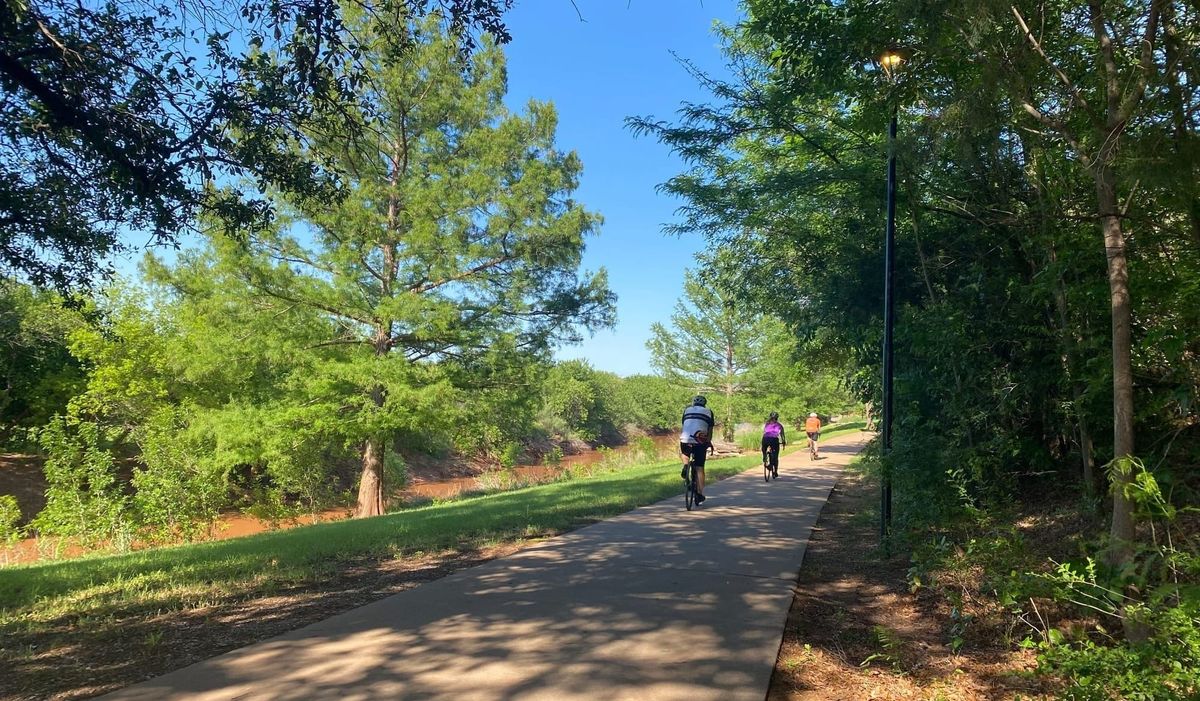
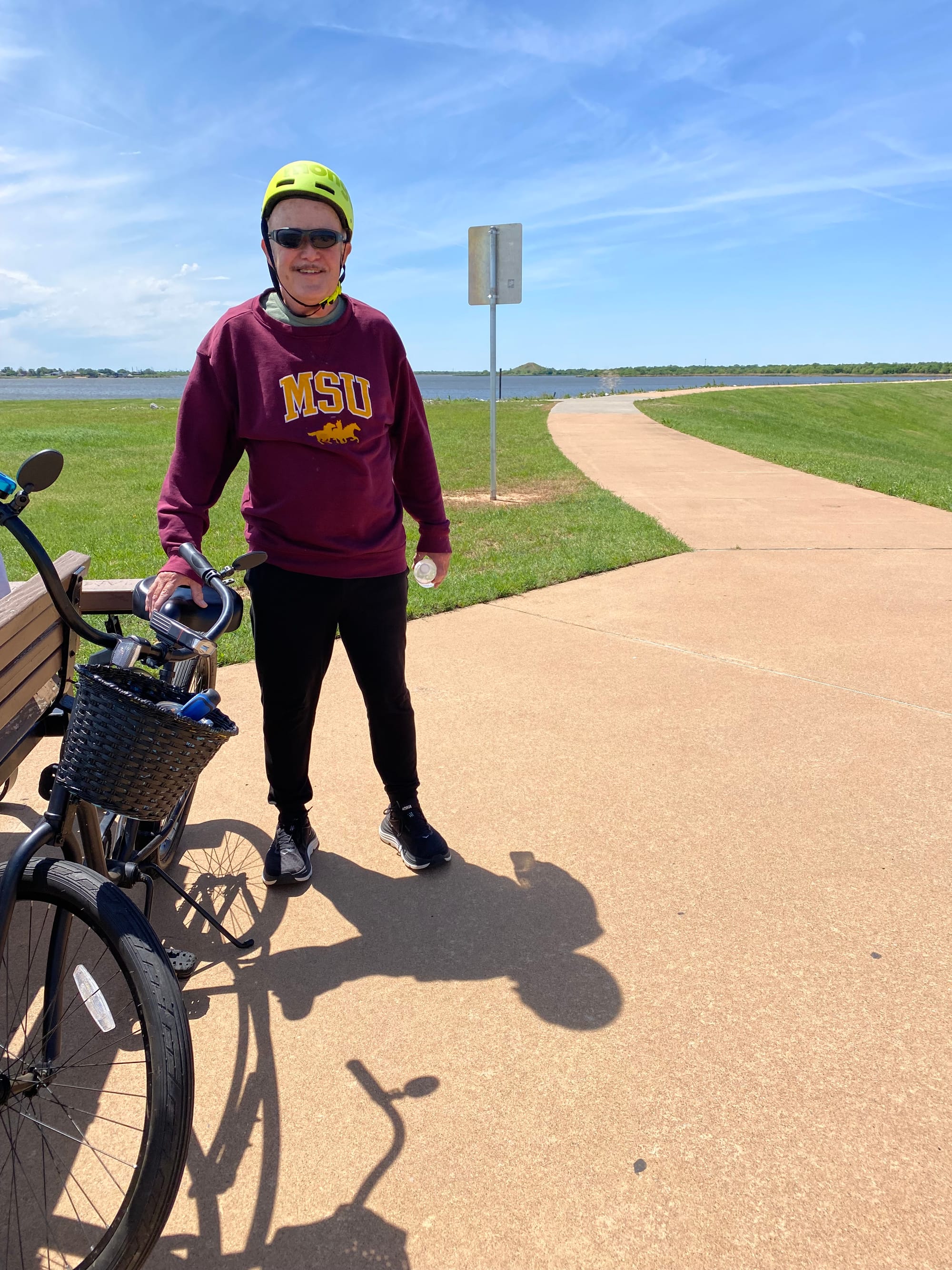
Jan Brink is a local cyclist that abides by the trend of sticking to paved paths. He’s lived in Wichita Falls for 30 years and has cycled the same amount of time, on and off, though as he recently retired, he said he’s been riding more frequently. In all that time, he’s only ever strayed from paved paths to ride on neighborhood roads.
“This is safer. You still have to be careful because there’s still foot traffic and stuff to look out for,” Brink said.
He pointed out that even when riding on paved paths, there are still precautions to take to ensure safety. Brink mentioned that he uses a light on his bike, always wears his helmet, and uses a bell or horn when he passes under bridges or goes around corners. While these safety measures aren’t full proof, they give him some peace of mind.
“Lately there have been a lot of accidents happening, so I try to think twice about that stuff before I go,” Brink said. “I’ve been very lucky, plus I’ve been very careful to stay on safe paths.”
Neely noted that while paved paths help eliminate motor vehicle incidents, they pose their own risks due to wildlife, foot traffic, and loose dogs. Additionally, he pointed out that paved paths aren’t ideal for individuals training for races and events, because they don’t possess the same laws and obstacles. Neely said he and the other cycling coach, Mario Arroyave, encourage their students to take the paths they know to be safe to reach their training roads. He said they also encourage students to ride together and utilize areas with barriers and rumble strips.
As far as safety tips that he shares with his students and encourages among all cyclists, Neely mentioned having proper gear and equipment, like using lights and cameras or mirrors to be conscious of vehicle proximity and always wearing helmets and gloves. He also suggests being aware of the sunlight because at certain times of the day, the sun can make it harder for drivers to see. Lastly, he suggested being aware of traffic flow. Neely said he avoids riding during the periods of the morning and evening when people would be heading to or from work because he said these drivers are often in a hurry and tired, making them less likely to be conscious of those on bikes.
“On the cyclist side of it, we have rights, however, cyclists have to realize, when a car and a cyclist interact, the car always wins,” Nelly said.
In addition to a need for cyclists to be careful, Neely insisted that motorists need to do better to be more observant and considerate of the risks cyclists are up against. He shared several general tips, like not drinking and driving, staying off phones and avoiding other distractions, and giving cyclists space — especially those driving diesel vehicles, as the exhaust can cause its own safety risks.
“These are dads, moms, brothers, sisters, uncles, teachers — they’re all those things. They’re people you know,” Neely said.
While Neely feels the City of Wichita Falls does a pretty good job in planning and alotting funds for cyclist safety measures, he noted that he feels there are some changes that could be made at a local level to help. This included more bike lanes and traffic lights that are camera triggered as opposed to the ones that are magnetically triggered since they often can’t register the weight of cyclists. However, more than anything, Neely expressed that he felt the only way accidents would be reduced was if there was more effort on a state level.
According to state law, the same rules that apply to motor vehicles, apply to cyclists. In fact, the only exception to this is in the instance of a cyclist avoiding hazards. Many local cyclists have expressed they believe that’s how it should be. According to these local cyclists, the need for more involvement from a state level is less about more laws and more about educating the public on safety expectations and enforcing the legal repercussions for motorists that are responsible for accidents involving cyclists.
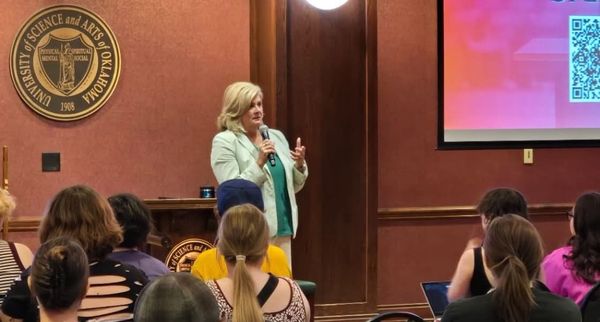
Ashley Sisk is the Bicycle Friendly Wichita Falls Coordinator, meaning she educates the community through campaigns, partnerships and events on how to promote cycling safety in the community. Some of the programs she oversees include Learn to Ride, Cycle Smart, Bicycle Friendly Driving, and Bike Rodeos. Ashley said that preventing further accidents involving cyclists begins with a community effort. She explained that the only way this can successfully happen is if both cyclists and motorists take precautions.
“Cyclists are not a separate group; they are members of our community. Some rely on bikes for transportation, while others ride for recreation, physical health, or mental well-being,” Sisk said. “When drivers, pedestrians, and cyclists all understand the rules of the road and each other’s rights, it creates a safer environment for everyone. Education helps build mutual respect, reduces confusion, and ultimately prevents crashes. Safety is a shared responsibility.”
Sisk noted that the city has several efforts in place to protect cyclists. However, she also feels that there’s only so much the city can do without community cooperation and law enforcement from a higher level.
“There is work to be done. We need continued investment in safe, connected cycling infrastructure, and we are working to build a community culture that is more aware of and welcoming to cyclists on our roadways. Safety is not just about infrastructure; it is also about how we share the road,” Sisk said.